

The Fastest Ways Bettors Destroy Their Bankroll
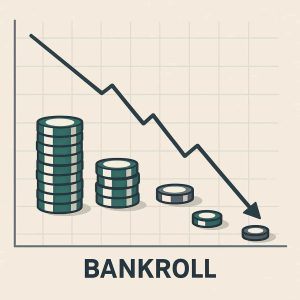 Most bettors don’t lose their bankroll because they don’t know sports, they lose it because of how they bet. The problem is rarely the pick itself; it’s the decisions made around that pick. Even when playing on platforms like Zeroum Bet casino, emotional reactions, poor stake control, and false confidence wipe out accounts faster than any bad beat ever could.
Three habits do the most damage: chasing losses, overbetting “confidence” picks, and emotionally increasing stake size. They often show up together, feeding off each other, and once they take hold, the bankroll usually doesn’t last long.
Chasing Losses
Chasing losses is the most common way bettors blow through their money. It starts with a simple thought: I need to get back to even. After a losing bet, instead of sticking to a plan, the bettor looks for the next opportunity to recover quickly.
That recovery usually means betting again right away. Sometimes it means placing more bets than usual. Other times, it means betting on games they wouldn’t normally touch. The focus shifts from making good decisions to erasing the pain of the loss.
This mindset changes everything. Bet selection gets sloppy. Lines aren’t compared. Value isn’t considered. The question becomes “What can I bet right now?” instead of “Is this a good bet?”
Chasing also increases emotional pressure. Each new bet carries more weight because it’s tied to fixing a previous mistake. When that bet loses, frustration grows. The urge to chase gets stronger. And the cycle repeats.
What makes chasing especially dangerous is that it feels logical in the moment. One win really can erase multiple losses. But relying on that outcome puts bettors at the mercy of variance. Eventually, the run doesn’t come, and the bankroll collapses fast.
Overbetting “Confidence” Picks
Another fast track to losing money is overbetting picks that feel like locks. These are the games bettors say they “can’t lose” or “love” more than usual. The logic is simple: if the pick feels stronger, the bet should be bigger.
The problem is that confidence is subjective. It’s influenced by recent wins, media narratives, personal bias, or just a strong opinion. None of those guarantees a higher probability of winning.
Sports don’t reward certainty. Heavy favorites lose. Star players have off nights—game flow changes. Even the best analysis can be undone by one injury, one call, or one bad bounce.
When bettors overbet these spots, they expose too much of their bankroll to a single outcome. One loss doesn’t just hurt. It creates a hole that’s hard to climb out of.
This habit often shows up after a winning streak. A bettor feels sharp. Picks have been hitting. Confidence rises. Then comes the big bet. When it loses, the damage is far greater than a standard loss, and the emotional fallout often leads straight into chasing.
The reality is simple. If a bettor doesn’t have a proven edge that justifies larger stakes, then bet size should stay consistent. Confidence alone is not a bankroll strategy.
Increasing Stake Size Emotionally
Emotional stake increases are closely tied to both chasing and overconfidence. They happen when feelings, not logic, determine how much is bet.
Sometimes the emotion is frustration. After a few losses, the bettor increases the next stake to “make it worth it.” Other times it’s excitement. A good day turns into a bigger bet because everything feels easy.
In both cases, the decision has nothing to do with probability or long-term results. It’s a reaction to how the bettor feels in that moment.
This is dangerous because bankroll management only works when it’s consistent. The entire point of flat staking or percentage-based betting is to control risk over time. Emotional adjustments break that structure.
Once the stakes start moving based on mood, losses become unpredictable. A normal losing streak becomes devastating because too much money is tied to individual outcomes. One bad day can undo weeks or months of steady progress.
Emotional betting also clouds judgment. When more money is on the line, it’s harder to accept losses calmly. That stress leads to rushed decisions, late bets, and poor discipline. The spiral accelerates.
Why These Habits Are So Hard to Avoid
All three behaviors come from the same place. Bettors want control. They want to feel like they can fix things immediately or capitalize on a strong feeling. Sports betting doesn’t work that way.
Results are short-term and random, even when decisions are sound. That gap between effort and outcome creates emotional tension. Without rules in place, emotions fill the space.
Many bettors also underestimate how quickly small mistakes compound. One oversized bet doesn’t seem fatal. One chase feels recoverable. But stack them together, and the bankroll erodes faster than expected.
Protecting the Bankroll
The fix isn’t complicated, but it requires discipline. Set stake sizes in advance and don’t change them based on wins or losses. Accept that losing days are part of betting, not a problem to solve immediately. And treat every bet as one decision in a long series, not a moment that defines success or failure.
The fastest way to destroy a bankroll is to let emotions dictate decisions. The quickest way to keep one is to remove emotion from the process as much as possible.
In sports betting, survival matters. Without a bankroll, even the best picks don’t matter at all.