

Can You Lose Money Even With Good CLV?
 Closing Line Value is one of the best indicators of betting skill. It tells you whether you’re beating the market, not just riding luck, even if you’re placing bets through platforms like Nacional Bet Brasil. But good CLV does not guarantee short-term profit. In fact, it often comes with stretches of losses that feel unfair, confusing, and discouraging. Understanding why this happens is critical. If you don’t, you’re likely to abandon a good process, tilt your bankroll, or convince yourself that CLV “doesn’t work” right when it matters most.
Variance Windows Are Bigger Than Most Expect
Variance isn’t just a buzzword. It’s the dominant force in sports betting over small and medium samples. Even with a real edge, outcomes cluster unpredictably. You can do everything right and still lose for weeks or months. That’s not hypothetical. It’s normal. Good CLV means you’re betting at prices that are better than the market’s final assessment. But that edge is usually slight. Often, a few percentage points. That edge plays out slowly. Think of it this way: if you flip a slightly weighted coin, it doesn’t land heads every time. You can easily see long stretches of tails. The edge shows up only after many repetitions. In betting, those repetitions are bets. And most bettors underestimate how many are required before the math asserts itself. This creates variance windows where:
- Your CLV stays strong.
- Your results go negative.
- Nothing feels aligned
Sample Size Reality Is Brutal
Most bettors talk about sample size. Few truly respect it. Fifty bets tell you almost nothing. One hundred bets isn’t much better. Even five hundred bets can mislead, depending on market type and edge size. A bettor with solid CLV might still be unprofitable after:
- An entire season
- Several hundred wagers
- Multiple months of disciplined betting
That doesn’t mean the edge isn’t real. It implies the sample still isn’t large enough to overcome variance. This is where people get trapped. They assume: “I’ve been beating the closing line for months. I should be winning by now.”
That expectation is dangerous. It leads to frustration, overconfidence, or unnecessary changes. CLV is a directional signal, not a timing guarantee. It tells you you’re pointed the right way. It does not tell you when the results will catch up. The market doesn’t pay for effort or correctness. It pays on outcomes, eventually.
Why Good CLV Can Still Lose Money
There are several practical reasons why a bettor with good CLV might still be down. One is edge size. Beating the closing line by a tiny margin still leaves plenty of room for variance. Not all positive CLV is equal. Another is bet type. Markets with higher volatility, like player props or derivatives, can amplify swings even with solid pricing. Then there’s stake sizing. If stakes fluctuate emotionally rather than systematically, a good CLV can be overwhelmed by poor bankroll management. And finally, there’s timing distortion. A bettor may beat the closing line at one book while the actual market close is slightly different. That doesn’t invalidate CLV, but it can shrink the effective edge. None of this means CLV is useless. It means it’s not magic.
Psychological Traps During CLV Losing Stretches
This is where most bettors fail. Not mathematically, but mentally. The first trap is doubt creep. You start questioning bets that you would have made confidently before. You hesitate. You pass on good numbers. You second-guess your reads. The second trap is result chasing. You abandon price sensitivity because you “need a win.” You take worse numbers. CLV drops. The original problem compounds. The third trap is false adjustment. You change models, sports, or strategies not because CLV broke down, but because variance hurt your confidence. Ironically, many bettors blow up right after proving they can beat the market. Good CLV with bad results feels unjust. Humans are wired to expect fairness in the short run. Betting doesn’t offer that.
What CLV Is Actually Telling You During Losses
When you’re losing money but maintaining good CLV, the message isn’t “stop.” It’s “stay disciplined.” CLV is saying:
- Your prices are competitive.
- Your timing is good
- Your opinions aren’t random.
That’s valuable information, especially when emotions are screaming otherwise. This doesn’t mean you ignore everything. You still review bets. You still look for leaks. But you don’t panic just because the bankroll is down. A drop in CLV is a warning. A drop in results alone is not. Learning to separate those two signals is one of the most significant steps from amateur to professional thinking.
The Role of Bankroll and Expectations
Many CLV-related losses become catastrophic only because bankrolls are too tight or expectations are too high. If your bankroll can’t survive normal variance, even a good edge will fail. That’s not bad luck. That’s poor planning. Good CLV requires:
- Conservative staking
- Emotional patience
- Realistic timelines
You’re not owed profit in a month. Or three months. Sometimes not even a year. You’re building an edge, not flipping a switch. When expectations are misaligned, every downswing feels like proof that something is wrong.
When Losing With Good CLV Is a Problem
There are times when losses, along with good CLV, deserve scrutiny. If:
- CLV is marginal, not meaningful
- The sample size is still small.
- You’re only beating one soft book.
- Results diverge wildly for too long.
Then a deeper analysis is fair. CLV is a guide, not a shield. It doesn’t excuse sloppy execution or blind faith. But abandoning it prematurely is far more common than trusting it too long.
The Bottom Line
Yes, you can lose money even with good CLV. And many skilled bettors do, temporarily. Variance windows are genuine. Sample sizes take time. Psychology makes everything more complicated. CLV doesn’t promise quick wins. It promises honest feedback. If you’re beating the closing line and managing your bankroll responsibly, you’re doing the hard part right. The rest is patience. In betting, skill shows up slowly. And the people who survive the uncomfortable stretches are usually the ones who benefit when the math finally catches up.
 Most casual bettors place a wager as soon as they find a line they like. Maybe it feels fair. Perhaps it matches what they heard on TV or saw promoted on a site like DJ Bet Brasil. Pros don’t do that. They slow down and compare odds across multiple sportsbooks before risking a dollar. That habit isn’t about being cautious. It’s about math, discipline, and long-term survival. Comparing odds is one of the few edges a bettor can fully control, and professionals treat it as non-negotiable.
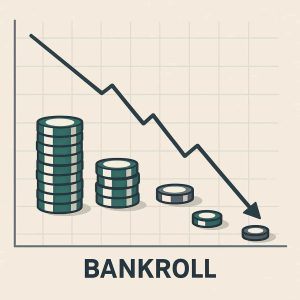 Most bettors don’t lose their bankroll because they don’t know sports, they lose it because of how they bet. The problem is rarely the pick itself; it’s the decisions made around that pick. Even when playing on platforms like Zeroum Bet casino, emotional reactions, poor stake control, and false confidence wipe out accounts faster than any bad beat ever could.
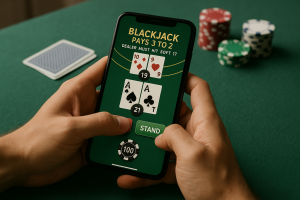 Blackjack has long been one of the most popular casino games, and much of its allure comes from the belief that skilled players can tilt the odds in their favor. At the center of this belief is card counting—the technique of tracking high and low cards to predict favorable situations. In land-based casinos, card counting has proven effective for some disciplined players. But when it comes to qqclubs slot online or online blackjack, the question isn’t so straightforward: Does card counting really work?
 Slot machines, especially those offering the prospect of a jackpot, have long been a staple of casinos worldwide. Understanding the psychological factors could give fascinating insights into the appeal of these games and their impact on player behavior.
 Progressive slots have carved a niche of their own, promising the allure of life-changing jackpots. As their popularity surges, players often find themselves torn between these dynamic machines and the more traditional regular slots. Let’s delve into the merits and demerits of playing progressive slots. Progressive slots aren’t just any slot machines; they come with a jackpot that grows when we play the game but the jackpot isn’t won. The jackpot of situs slot online resets to a predetermined amount after it’s hit and starts rising again. While there are various types like Standalone, In-House, and Networked progressives, they all share the common thread of
 All bookies provide and aggressively promote the mix parlay option. They encourage us to place multiple bets. They depict